


Art as Therapy for the Soul

Abstract
The author proceeds from the fact that man is a creative being by nature, called upon to realize his unique creative potential in life. The thesis is put forward that the ability and need for creativity is not an exception, but a norm of human existence. In this regard, the difference between the statistical understanding of the norm and its axiological understanding, characteristic of humanitarian psychology, is emphasized. The fact that creativity is the norm, and its deficiency or absence is a pathology dangerous in its consequences, is associated with the demand for creativity therapy, primarily art therapy. The question is raised about the extent to which existing art therapy practices rely on the specific possibilities of art as such. The author believes that involvement in art and artistic creativity has a beneficial effect on a person in two interconnected dimensions – vertical and horizontal. In the first case, we are talking about overcoming a person’s isolation from his own creative nature, the gap between everyday self-awareness and the higher creative “I”. In the second, the feeling of isolation, alienation from the outside world, and the opposition of “I” and “not-I” are overcome. Based on his own research, the author claims that children have favorable age prerequisites for artistic and creative development, and therefore early experience of artistic creativity can serve as a preventive measure against psychological ill-being in their later life. The question is raised about the conditions under which the impact of art can be healing for a person.
About the Author
A. A. Melik-Pashayev
Federal Scientific Center for Psychological and Interdisciplinary Research (Psychological Institute of the Russian Academy of Education)
Russian Federation
Russian Federation
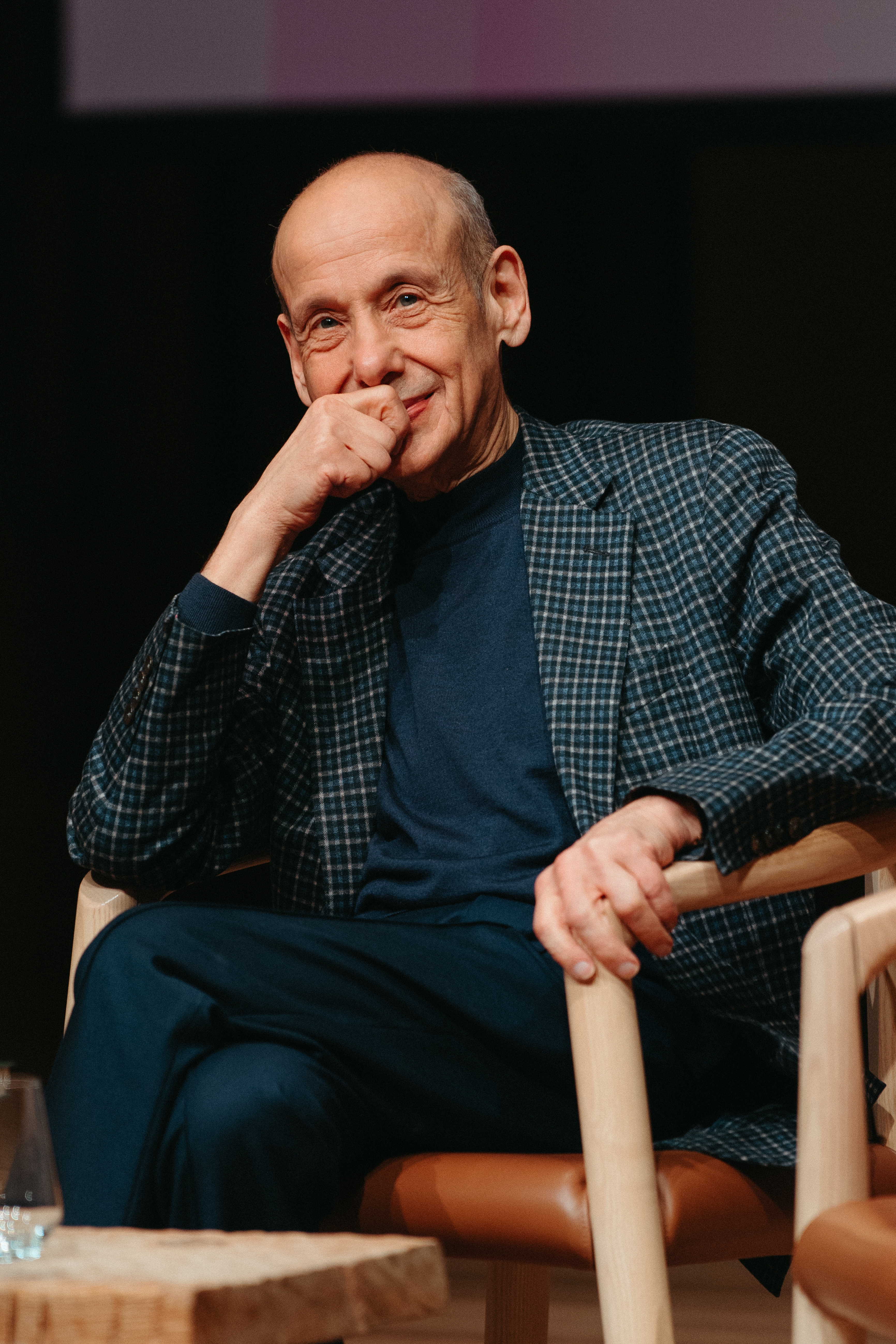
Alexander A. Melik-Pashayev - PhD in Psychology, Chief Researcher
9/4, Mokhovaya Str., Moscow, 125009
References
1. Айламазьян, А. М. (2018). О смыслопорождающей роли искусства в жизни человека. Мир психологии, 1(93), 241–254. EDN: XMPWHR.
2. Айламазьян, А. М. (2024). Размышления на тему «Терапия или искусство?». Искусство в школе, 3, 16–17. EDN: BOAJIL.
3. Бубер, М. (1995). Два образа веры. Республика.
4. Зеньковский, В. В. (2011). Проблема психической причинности (т. 3). Русский путь: Дом русского зарубежья им. Александра Солженицына.
5. Кирнарская, Д. К. (2004). Музыкальные способности. Таланты — XXI век.
6. Кришнамурти, Дж. (2003). Образование и смысл жизни. ИД «София».
7. Крылова, Е. О. (2018, 25 июня). Программа для мира и сотрудничества. Искусство в школе. https://art-inschool.ru/programma-dla-mira
8. Мандельштам, О. Э. (1993). Собрание сочинений в 4 т. Арт-Бизнес-Центр.
9. Маслоу, А. (1997). Дальние пределы человеческой психики. Евразия.
10. Мелик-Пашаев, А. А. (2020). Доминанта и творчество. Вопросы психологии, 3, 80–91. EDN: QPGKBG.
11. Мелик-Пашаев, А. А. (2024). Инсайт: загадка или тайна? Вестник Государственного университета просвещения. Серия: Психологические науки, 2, 56–67. EDN: SCXFYZ.
12. Мелик-Пашаев, А. А., Новлянская, З. Н. (2022). Психология художественного творчества. Изд-во МГУ.
13. Непомнящая, Н. И. (2005). Целостно-личностный подход к изучению человека. Вопросы психологии, 1, 116–125.
14. Новлянская, З. Н. (2016). Становление авторской позиции в детском литературном творчестве. Author’s Club.
15. Новлянская, З. Н. (2010). Учение и творчество. Российская Академия образования, Психологический институт.
16. Пришвин, М. М. (1996). Силой родственного внимания. Искусство в школе.
17. Пушкин, А. С. (1959). Стихотворения 1823–1836. В Д. Д. Благой, С. М. Бонди и др. (Ред.), Собрание сочинений в 10 томах (т. 2). ГИХЛ.
18. Сайбединов, А. Г. (2020). Эмоциональное образование как новый ресурс развития роли и значения предметов искусства в современной школе. Эмоциональное образование: проблемы и споры (стр. 14–25). ИХОиК РАО.
19. Слободчиков, В. И. (2014). Теория и диагностика развития в психологической антропологии. Психология обучения, 1, 4–34, EDN: RQRGZX.
20. Тютчев, Ф. И. (1957). Полное собрание стихотворений. Советский писатель. Уитмен, У. (2005). Листья травы. Азбука-Классика.
21. Франкл, В. (1990). Человек в поисках смысла. Прогресс.
22. Юнг, К. Г. (1991). Архетип и символ. Renaissance.
23. Mounier, E. (1951). Le Personalisme. Paris.
Review
For citations:
Melik-Pashayev A.A. Art as Therapy for the Soul. Educational Policy. 2025;20(1):47-52. (In Russ.)
Views:
67
JATS XML




 Email this article